


-

Add: HeBei ShengShi HongBang Cellulose Technology CO.,LTD.
-

Email
13180486930@163.com -

CONTACT US
+86 13180486930
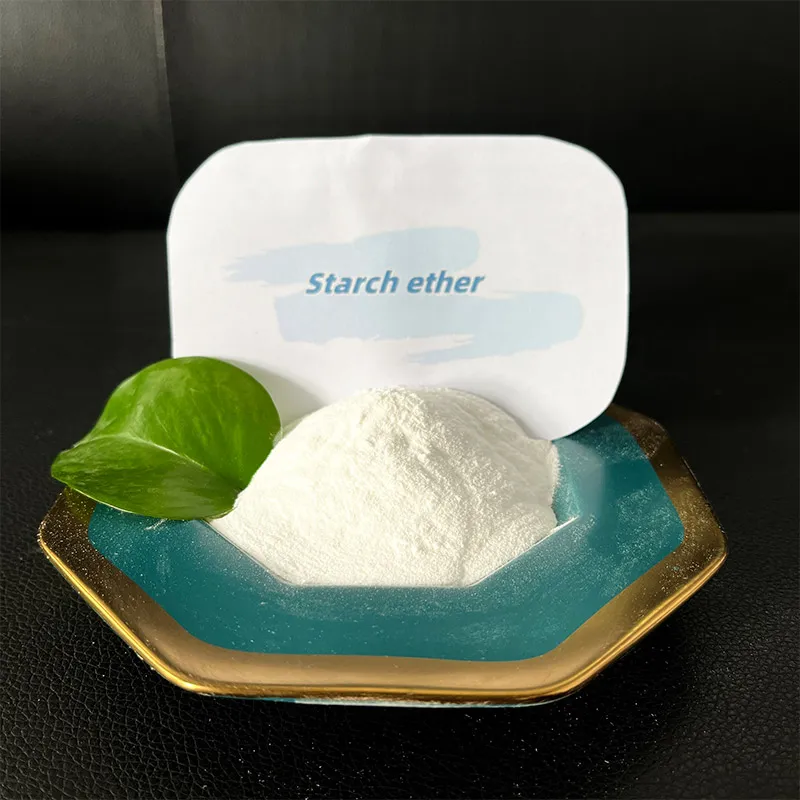
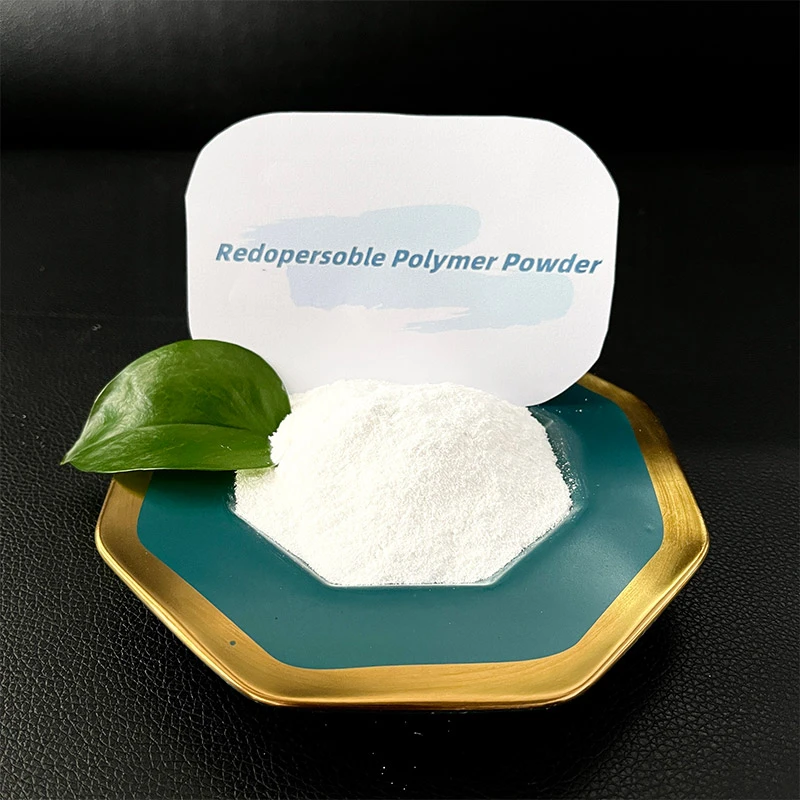
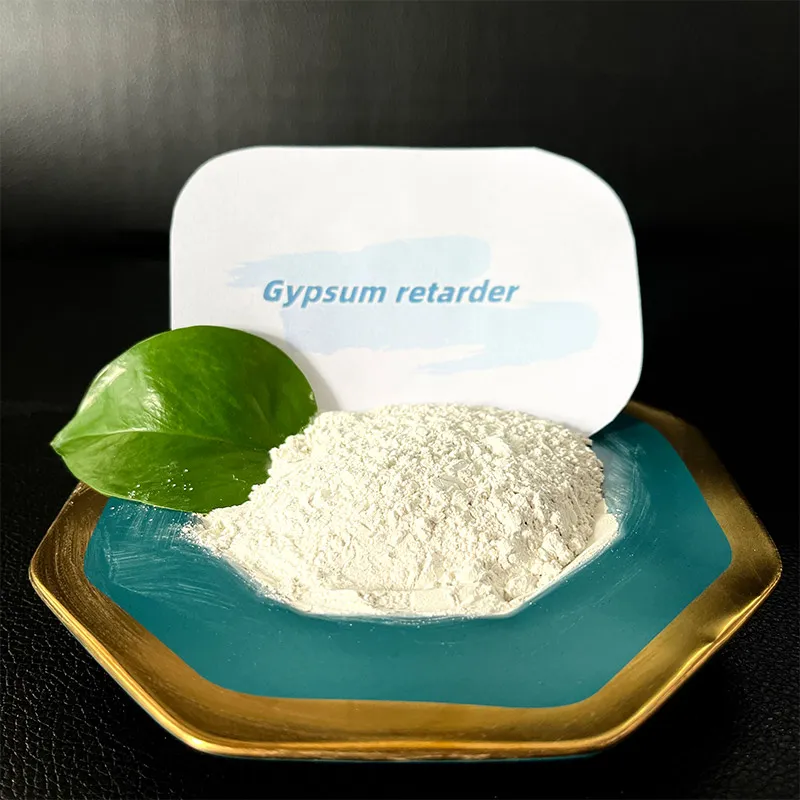
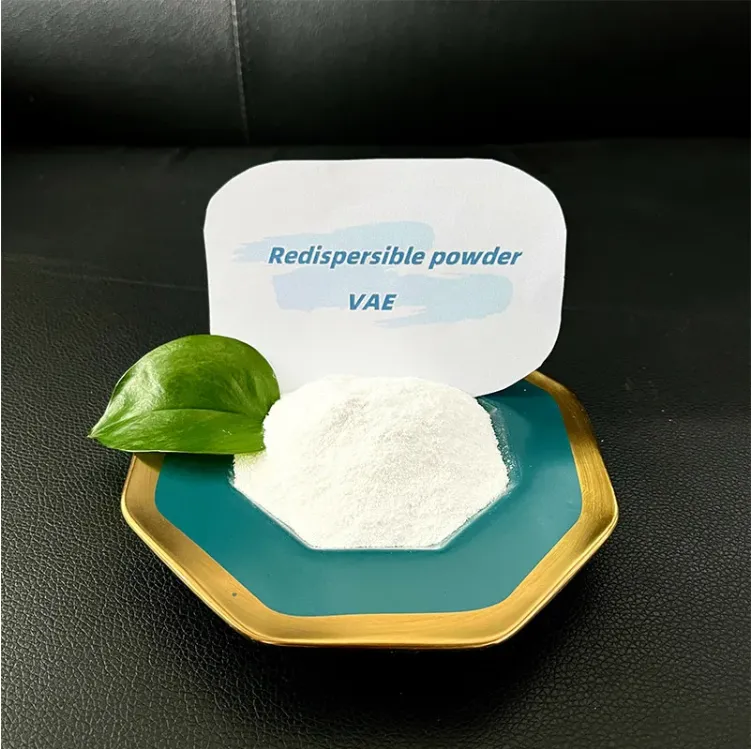


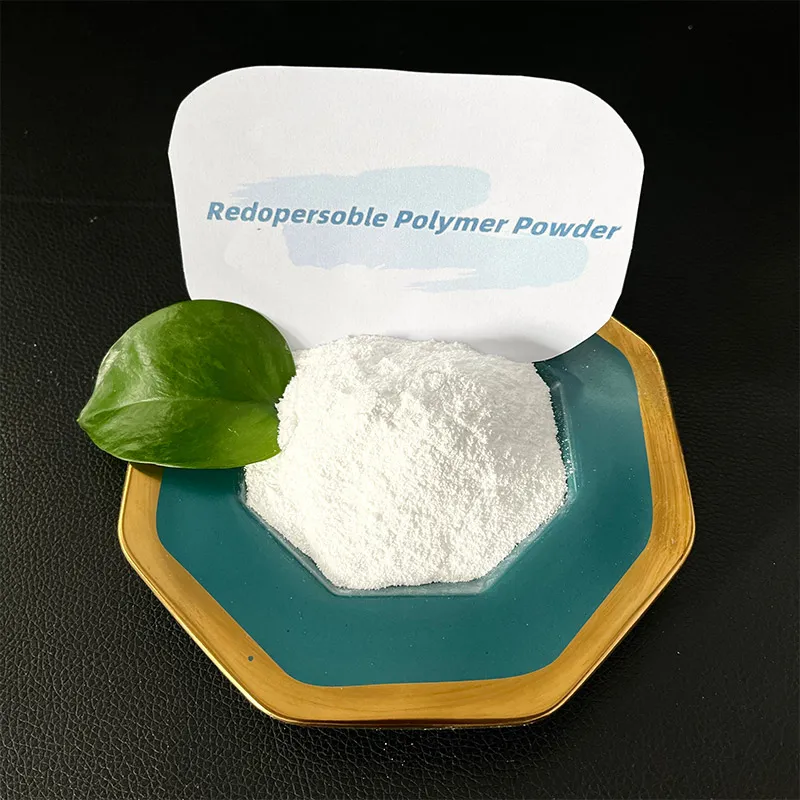
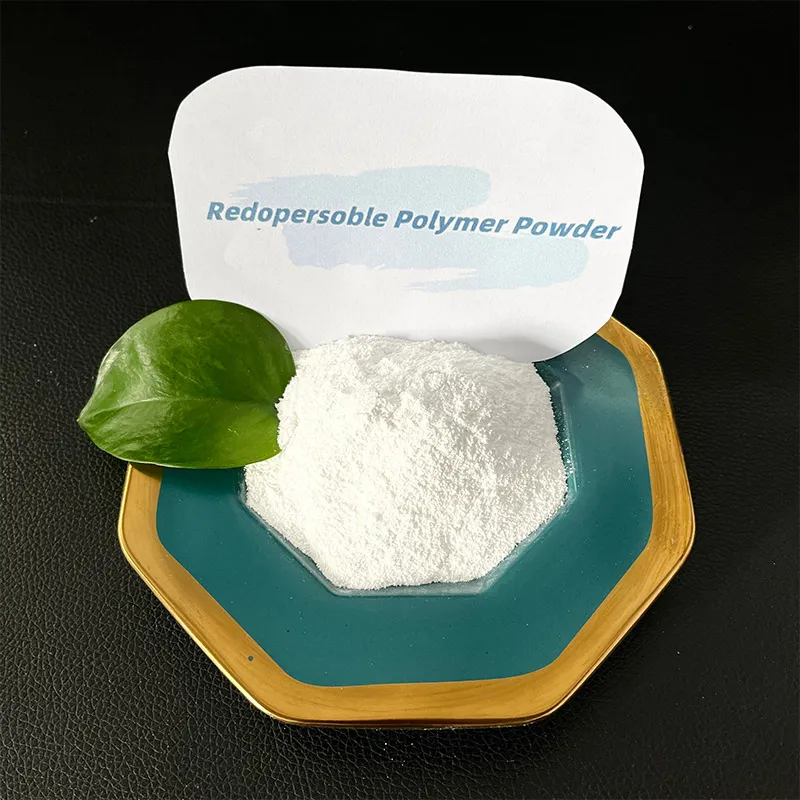
Redispersible Emulsion Powder is a key solution in the chemical industry industry, specifically within fine chemicals and Building Chemicals. This article explores how HeBei ShengShi HongBang Cellulose Technology CO.,LTD. supports professionals with durable, high-performance products, and explains why this product is an ideal choice for businesses in these sectors. Table of Contents Redispersible Emulsion Powder Overview Benefits & Use Cases of Redispersible Emulsion Powder in Building Chemicals Cost, Maintenance & User Experience Sustainability & Market Trends in chemical industry Conclusion on Redispersible Emulsion Powder from HeBei ShengShi HongBang Cellulose Technology CO.,LTD. Redispersible Emulsion Powder Overview Redispersible Emulsion Powder (often called redispersible latex powder, VAE redispersible powder, or simply redispersible powder) is a free‑flowing polymer powder produced by spray-drying a waterborne emulsion—most commonly a vinyl acetate–ethylene (VAE) copolymer stabilized with a protective colloid. When mixed with water in dry-mix mortars, the polymer re-forms a latex that coalesces into a tough, flexible film within the cement or gypsum matrix. This boosts adhesion, flexibility, crack resistance, abrasion resistance, and overall durability in Building Chemicals such as tile adhesives, renders, ETICS basecoats, self-leveling underlayments, and repair mortars. Relevance: In the chemical industry’s fine chemicals segment, Redispersible Emulsion Powder is a functional binder enabling consistent, job-site friendly dry-mix systems with improved open time, workability, and long-term performance. Technical background: Key levers include polymer glass transition (Tg) and minimum film-forming temperature (MFFT), particle size distribution for fast wetting, and compatibility with cement hydrates and calcium ions—crucial for adhesion and flexibility balance in mortars. Reliable source: HeBei ShengShi HongBang Cellulose Technology CO.,LTD. manufactures application-focused polymer powder grades and provides formulation support to align performance with standards common to tile adhesives, renders, and gypsum-based systems. Benefits & Use Cases of Redispersible Emulsion Powder in Building Chemicals In Building Chemicals, Redispersible Emulsion Powder is the go-to organic binder for high-performance dry-mix products. It enhances adhesion to cementitious and mineral substrates, raises deformability for crack mitigation, and improves water resistance without compromising workability. Typical applications include cementitious tile adhesives and grouts, ETICS/EIFS adhesive and basecoat mortars, skim coats, gypsum plasters, self-leveling compounds, flexible waterproofing slurries, and patching mortars. By selecting the right VAE grade, formulators can tailor open time, tensile adhesion after heat and water immersion, slip resistance, and smooth troweling. Applications: C1/C2 tile adhesives, thermal insulation systems (ETICS), interior skim coats, gypsum jointing, and self-leveling underlayments (SLUs) benefit from robust polymer film formation and cohesion within the mortar matrix. Advantages: Strong adhesion on low-absorbent tiles, improved flexibility and crack-bridging, better wet adhesion and aging resistance, low VOC profile, easy dosing and storage compared with liquid latex. Expertise: HeBei ShengShi HongBang Cellulose Technology CO.,LTD. combines polymer powder know-how with complementary cellulose ethers for synergistic water retention, workability, and anti-sag behavior—helping B2B partners streamline formulations and scale reliably. Explore product details at the product page . Cost, Maintenance & User Experience Total cost of ownership with Redispersible Emulsion Powder is driven by logistics, dosing efficiency, and field reliability. Compared with liquid latex, polymer powder ships without added water, helping reduce freight and eliminating freeze–thaw risk and drum handling. It enables one-bag dry-mix solutions, simplifying inventory and job-site preparation. With appropriate addition levels selected via ladder trials, formulators can balance adhesion, flexibility, and cost-in-use while lowering the risk of callbacks due to slip, poor wet adhesion, or cracking. Durability and ROI: Strong polymer film formation supports long-term adhesion and cohesive strength, contributing to fewer repairs and a better lifecycle ROI in tile setting, ETICS, and floor leveling systems. User experience: B2B users value consistent wetting, free-flowing powder, and predictable workability. Best practices include storing in dry conditions, adding to the dry blend before water, and piloting 1–3+% addition levels (application-dependent) to fine-tune performance vs. cost. Sustainability & Market Trends in chemical industry Sustainability is reshaping Building Chemicals. Redispersible Emulsion Powder supports low-VOC, waterborne formulations and enables dry-mix products with efficient transport and storage—reducing water weight moved through the supply chain. As regulations tighten around emissions and material transparency, the shift toward high-performance, lower-emission mortars and plasters accelerates, especially in energy-efficient envelope systems like ETICS. Parallel trends—industrialized construction, prefabrication, and consistent job-site quality—favor powder binders that deliver reproducible results. Regulatory and growth dynamics: Green building codes, voluntary certifications, and demand for durable, low-maintenance façades are expanding the use of polymer-modified mortars. Forward-thinking supplier: HeBei ShengShi HongBang Cellulose Technology CO.,LTD. emphasizes formulation efficiency and compatibility—pairing redispersible latex powder with cellulose ethers for lower dosage targets and dependable performance, aligning with the industry’s eco-conscious direction. Conclusion on Redispersible Emulsion Powder from HeBei ShengShi HongBang Cellulose Technology CO.,LTD. For B2B decision makers in the chemical industry’s fine chemicals and Building Chemicals sectors, Redispersible Emulsion Powder is a practical, high-impact binder that elevates mortar performance, consistency, and logistics efficiency. HeBei ShengShi HongBang Cellulose Technology CO.,LTD. delivers dependable polymer powder solutions and technical support to accelerate formulation success—whether you’re optimizing tile adhesives, ETICS systems, or floor products. Contact us: email: 13180486930@163.com — Visit our website: https://www.sshbhpmc.com
- 40000tons

Production
- 20+years

Experience
- 5000+㎡

Acreage

-
HPMC, hay còn gọi là Hydroxypropyl Methylcellulose, là một chất phụ gia thực phẩm với số E là E464 . Nó đóng vai trò quan trọng trong việc cải thiện đặc tính của các sản phẩm thực phẩm và công nghiệp. Để hiểu rõ hơn về chất này, chúng ta cần xem xét nó từ góc độ uy tín, kinh nghiệm thực tế và chuyên môn kỹ thuật. Trước hết, với kinh nghiệm từ nhiều năm nghiên cứu và ứng dụng trong ngành thực phẩm, HPMC là một polymer cellulose không ion, tan trong nước và có khả năng tạo gel ở nhiệt độ cao. Điều này có nghĩa là khi được thêm vào một sản phẩm, HPMC có thể tăng cường độ dày, độ bền và tính ổn định mà không ảnh hưởng đến hương vị hoặc giá trị dinh dưỡng của sản phẩm. Tôi đã thấy sự khác biệt rõ rệt khi sử dụng HPMC trong các sản phẩm từ bơ sữa đến bánh kẹo và thậm chí là đồ uống. Chuyên môn về HPMC cũng rất quan trọng vì không phải nhà sản xuất nào cũng biết cách sử dụng nó hiệu quả. Với những hiểu biết sâu rộng trong lĩnh vực này, HPMC không chỉ được sử dụng trong thực phẩm mà còn trong các ngành công nghiệp khác như dược phẩm, mỹ phẩm và cả xây dựng. Nó hoạt động như một chất ổn định, chất làm đặc và chất liên kết trong các viên thuốc, giúp tăng cường độ nhớt trong mỹ phẩm, và thậm chí còn được sử dụng như một tác nhân chống lại hiện tượng chảy xệ trong vật liệu xây dựng. Một trong những trải nghiệm đáng chú ý mà tôi từng có là trong quá trình cải tiến một công thức bánh ngọt. Chúng tôi đã thêm một lượng nhỏ HPMC và nhận thấy rằng độ xốp của bánh được cải thiện đáng kể. Nếu không có HPMC, sản phẩm có thể dễ bị vỡ khi đóng gói và vận chuyển. Thông qua nghiên cứu và thử nghiệm, kết quả cho thấy sản phẩm có hạn sử dụng dài hơn mà không cần đến các chất bảo quản nhân tạo. hpmc số Tuy nhiên, không thể không nhắc đến độ tin cậy và tính hợp pháp của HPMC trên thị trường. Nó đã được Tổ chức Lương thực và Nông nghiệp của Liên Hiệp Quốc và Tổ chức Y tế Thế giới công nhận là an toàn khi sử dụng trong thực phẩm. Một điểm nổi bật là HPMC không bị biến đổi về mặt sinh học trong cơ thể, điều này làm cho nó trở thành một sự lựa chọn an toàn cho tất cả các loại hình tiêu dùng. Về tính chuyên môn, HPMC có khả năng chịu được điều kiện môi trường khắc nghiệt, từ nhiệt độ cao đến độ ẩm thấp, khiến nó trở nên đặc biệt hữu ích trong việc duy trì tính toàn vẹn của sản phẩm dưới các điều kiện vận chuyển và lưu trữ khác nhau. Kinh nghiệm từ các chuyên gia cho thấy rằng việc tích hợp HPMC vào sản xuất không chỉ giúp cải thiện chất lượng mà còn tối ưu hóa chi phí thông qua việc giảm thất thoát và cải thiện hiệu suất quy trình. Cảm giác an toàn là điều tối quan trọng khi đề cập đến HPMC từ góc độ người tiêu dùng. Được sản xuất dưới dạng bột mịn, không màu và không mùi, HPMC hoàn toàn không làm thay đổi cảm giác và mùi vị của sản phẩm. Điều này tạo ấn tượng rằng các sản phẩm có chứa HPMC vẫn giữ được bản chất tự nhiên của chúng mà không cần đến bất kỳ chất hóa học nào có thể gây hại. Tóm lại, HPMC với số E là E464 là một yếu tố kỳ diệu trong việc tối ưu hóa sản phẩm. Với sự kết hợp giữa kinh nghiệm thực tế, chuyên môn cùng độ tin cậy cao, các sản phẩm có chứa HPMC không chỉ phù hợp với tiêu chuẩn công nghiệp mà còn đáp ứng được những yêu cầu khắt khe của người tiêu dùng hiện đại.
-
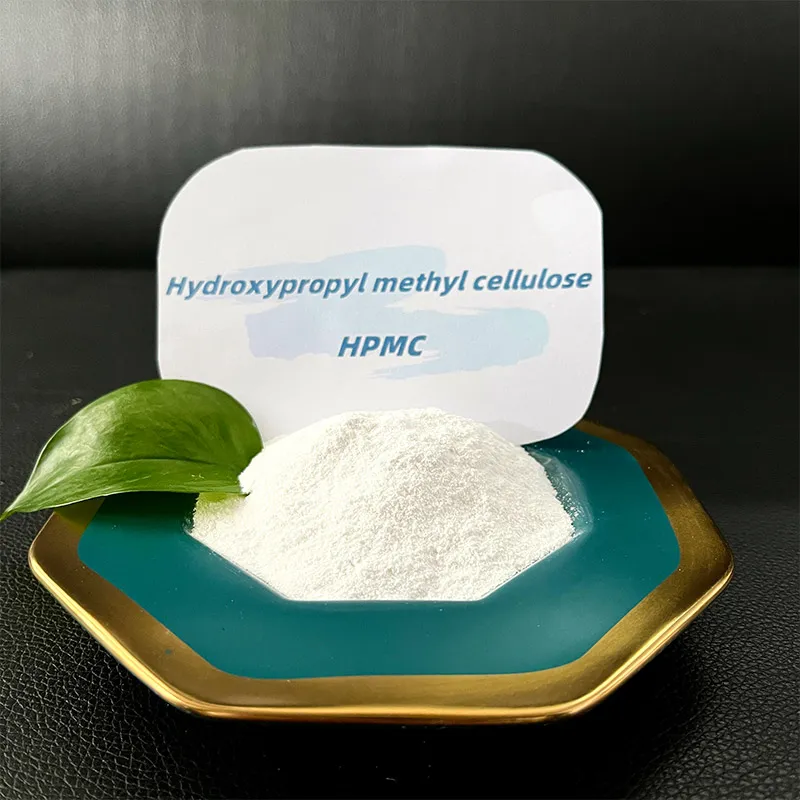
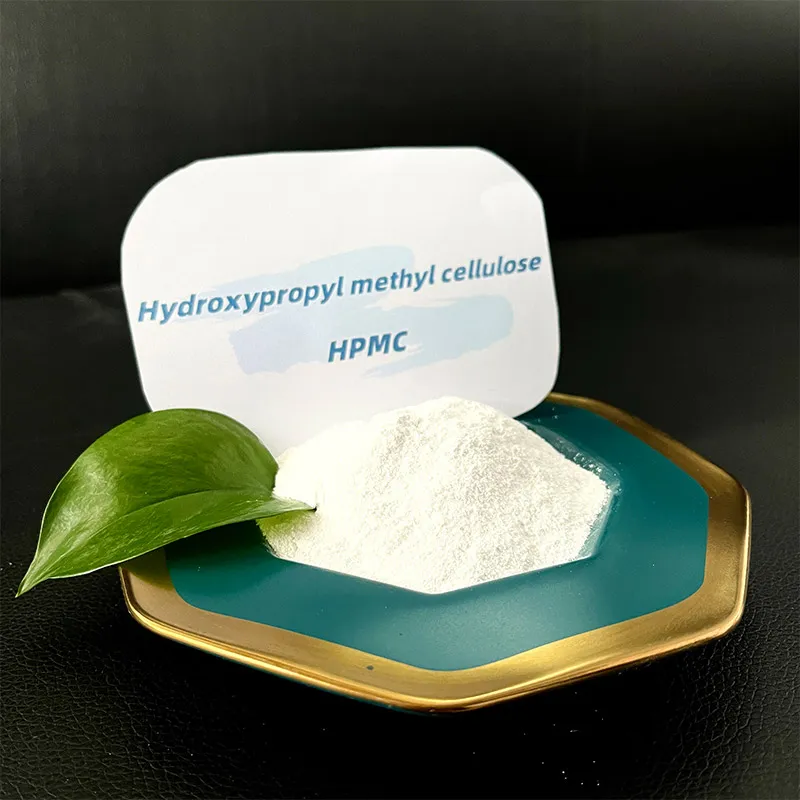
Hydroxypropyl methylcellulose (HPMC) is a versatile, eco-friendly ingredient . This cellulose derivative is known for its exceptional performance in construction. Its unique properties, such as water retention, adhesion, and thickening ability, make it an essential component for improving the quality and durability of products. Whether you're working on building materials, tile adhesives, or wall coatings, hydroxypropyl methylcellulose can elevate the performance and efficiency of your materials. Discover the many benefits of hydroxypropyl methylcellulose and see how it can enhance your business operations. Hydroxypropyl Methylcellulose Uses in Construction In the construction industry, hydroxypropyl methylcellulose uses are critical to improving the quality and performance of building materials. HPMC is widely used in cement-based products such as tile adhesives, plaster, and grout due to its excellent water retention, enhanced workability, and extended open time. By incorporating hydroxypropyl methylcellulose into your construction materials, you can improve adhesion, reduce cracking, and increase the durability of your products. Hydroxypropyl methylcellulose uses in construction also include its role as a binder and thickener in paints and coatings, where it helps create a smooth, consistent finish. Enhance your construction projects with the superior properties of hydroxypropyl methylcellulose . Find the Best Hydroxypropyl Methylcellulose Price for Your Budget When looking for hydroxypropyl methylcellulose price , it’s important to find a supplier that offers high-quality products at competitive rates. The hydroxypropyl methylcellulose price can vary depending on the grade, quantity, and application, but you can trust us to provide transparent pricing that fits your budget. Our prices reflect the quality and reliability of the material, ensuring that you get the best value for your investment. Whether you need small quantities or large volumes, we offer affordable solutions without compromising on quality. Contact us today to learn more about our hydroxypropyl methylcellulose price and how we can support your projects. Reliable Hydroxypropyl Methylcellulose Suppliers for Your Needs Finding trustworthy hydroxypropyl methylcellulose suppliers is crucial for ensuring the success of your projects. As one of the leading hydroxypropyl methylcellulose suppliers , we provide a wide range of high-quality HPMC products designed to meet the diverse needs of various industries. Our hydroxypropyl methylcellulose is sourced from reputable manufacturers and undergoes rigorous quality control to ensure consistency and performance. Whether you're in construction, pharmaceuticals, or another industry, we are your go-to partner for reliable, top-grade HPMC. With our fast delivery, competitive pricing, and expert customer service, we make sourcing hydroxypropyl methylcellulose easy and hassle-free. Why Choose Us for Your Hydroxypropyl Methylcellulose Needs? When it comes to hydroxypropyl methylcellulose , you need a supplier you can trust. We are committed to providing the highest quality HPMC products at the best hydroxypropyl methylcellulose price . Our expertise in the field ensures that we meet the specific requirements of our customerss. As leading hydroxypropyl methylcellulose suppliers , we offer a wide range of grades to suit your needs, backed by excellent customer support and fast, reliable shipping. Choose us for all your hydroxypropyl methylcellulose requirements and experience the difference in quality, price, and service.
advantages
-

200000 Viscosities
Excellent product
We can produce pure products up to 200,000 viscosities
-

40000 tons
High yield
We don’t stop production all year round, and the annual output can reach 40,000 tons
-

24 hours
Quality service
We provide 24-hours online reception service, welcome to consult at any time
———— Inquiry Form
Schedule A services

-
 hpmc-hydroxypropyl_methyl_cellulose_manufacturer
Oct . 25, 2025
In the world of plastering and construction, achieving optimal working time and preventing premature -
 hpmc_stock
Oct . 25, 2025
Hemp polypropylene is rapidly gaining traction in the materials industry as an innovative and sustai -
 hpmc_gel
Oct . 25, 2025
The HPMC USP monograph serves as a critical benchmark for hydroxypropyl methylcellulose (HPMC) in ph


